
Table of Contents
When thinking about pregnancy health, most of us focus on the basics: balanced nutrition, hydration, exercise, rest, and regular prenatal visits. However, oral health is a frequently overlooked part of a healthy pregnancy. By focusing on this topic, we can make a positive impact on both maternal and infant health.
Oral health can affect pregnancy outcomes in both positive and negative ways. Neglecting oral health has the potential to increase the risk of preterm birth and may continue to impact babies after they are born. Additionally, pregnancy makes women more vulnerable to dental issues like cavities and gingivitis due to changing hormones and other factors. This makes consistent daily brushing and flossing especially important during pregnancy.
 Pregnant woman applying toothpaste to a toothbrush in her bathroom
Let’s take a closer look at oral health during pregnancy and what pregnant women need to know to manage their oral health. We’ll also zero in on some new research showing the positive impacts of Xylitol use on oral health during pregnancy and what this might mean for pregnant women.
How Pregnancy Affects the Mouth
It might not seem obvious, but pregnancy can have a significant impact on the mouth, oral microbiome, and overall oral health.
Gingivitis
Pregnancy increases the risk of gingivitis (gum disease). Approximately 60-70% of pregnant women have gingivitis. It’s thought that the hormones of pregnancy increase inflammation, which can lead to the symptoms of gingivitis (red and swollen gums). If left untreated, gingivitis can progress to more serious conditions, including infection and tooth loss.
Cavities and Tooth Decay
Pregnancy also increases the risk of cavities and tooth decay due to several factors, including:
- Fatigue, which may lead to inconsistent brushing and flossing.
- Increased gag reflex or nausea, which can make brushing more difficult and may lead to avoiding regular oral hygiene.
- Morning sickness and vomiting, which can cause increased stomach acid secretion in the mouth, leading to weakened enamel.
- Different eating habits, including craving junk food and frequent snacking, which can lead to increased production of bacteria that contribute to cavities.
- Use of sugary prenatal gummy vitamins, which can stick to teeth and contribute to cavities.
 Pregnant woman holding a plate of chocolates and eating a piece of chocolate candy
Pregnant woman holding a plate of chocolates and eating a piece of chocolate candyLinks to Pregnancy Outcomes
The most well-known complication of poor oral health during pregnancy is preterm birth. Excessive oral bacteria, often linked to gingivitis and tooth decay, may trigger prostaglandin production, which can contribute to preterm labor.
Pregnant women with conditions like gingivitis and tooth decay are also more likely to:
- Give birth to a baby of low birth weight.
- Develop preeclampsia.
- Develop red, bleeding bumps or lesions in the mouth (pregnancy granuloma or epulis gravidarum).
- Experience dental complications like loose teeth, dry mouth, and dental erosions.
Impacts on Baby
A mother’s oral health affects her baby too. In addition to the risk of prematurity or complications due to preeclampsia, there are potential impacts that can continue long after the baby is born. An overgrowth of oral bacteria in the mother can be passed along to the baby and increase their risk of getting cavities at a young age. This makes maternal oral health an important part of long-term preventive care.
Practical Steps for Expectant Mothers
Although experts agree that there’s a connection between poor oral health and negative pregnancy outcomes, evidence is still evolving on whether routine dental treatment alone prevents complications. But taking a few extra steps can help.
A 2025 randomized controlled trial that included over 10,000 pregnant women found that chewing xylitol gum two times a day during pregnancy may reduce the risk of preterm birth and low birth weight. Xylitol works by reducing the growth of cavity-causing bacteria in the mouth and helps prevent these bacteria from sticking to teeth, making it harder for them to cause decay. This is a promising new study and a low-cost tool that may help improve oral health during pregnancy.
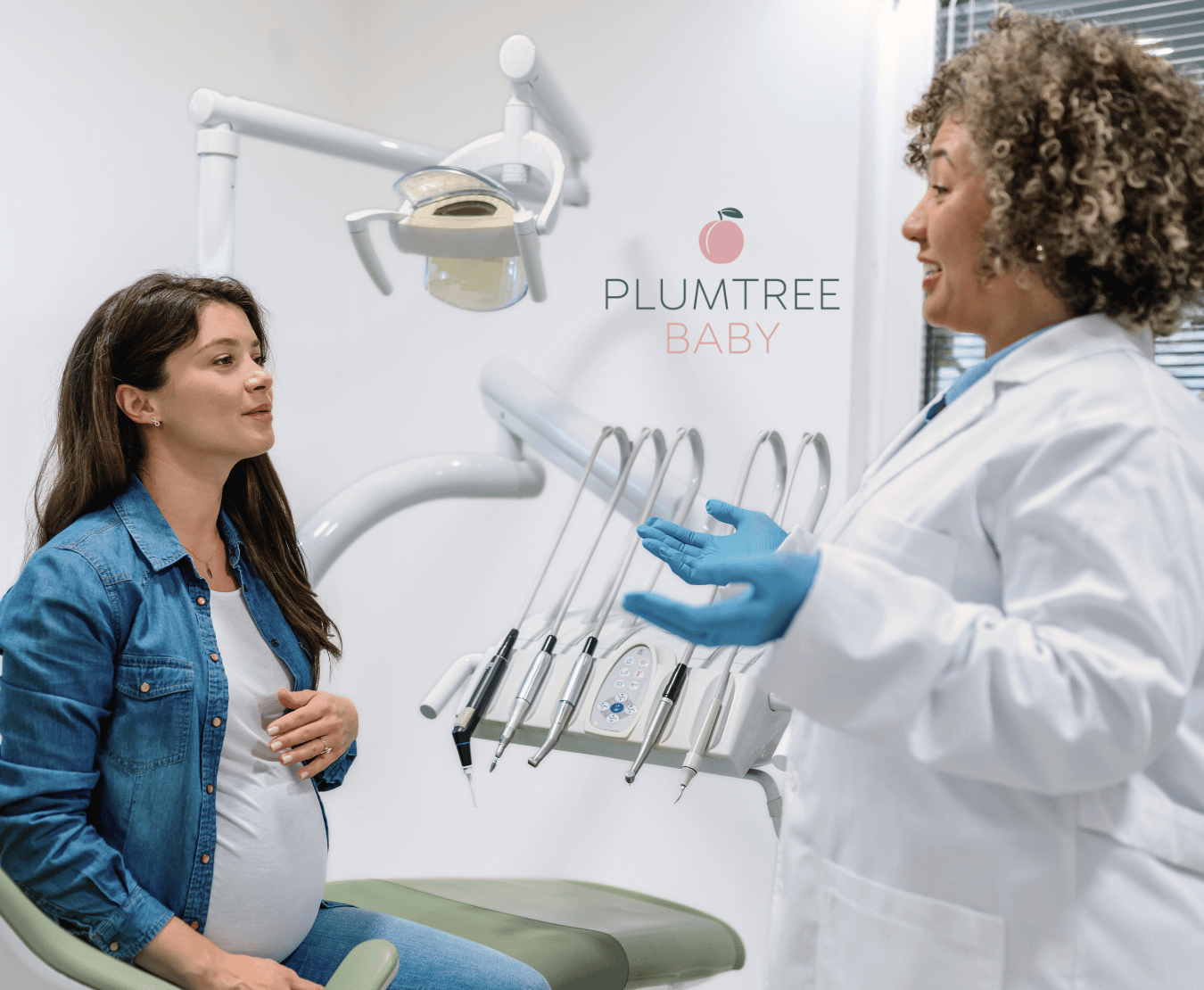 Pregnant woman consulting with a dentist about oral health in a dental office
 Xylitol gum isn’t the only practical step pregnant women can consider when it comes to oral hygiene during pregnancy. Other tips to consider include:
- Regular visits to the dentist during pregnancy.
- Keeping up with twice-daily brushing and daily flossing.
- Making sure to manage vomiting and morning sickness.
- Avoiding foods with added sugar.
- Limiting dried foods and gummy vitamins, both of which can stick to teeth and lead to tooth decay.
- Eating a variety of fruits, vegetables, and whole grains, emphasizing foods rich in vitamin A, C, D, calcium, and other essential vitamins and minerals.
- Considering the use of mouthwashes or warm saltwater rinses to prevent or treat inflamed gums or other signs of gingivitis.
- Making an additional appointment with the dentist at any signs of gum inflammation, tooth pain, or tooth decay, and treating any problems right away.
Pregnant women should consult their health care provider or dentist before making changes to their oral health routine or if they experience symptoms such as tooth pain, signs of gum disease, or other concerns.
As you educate your clients about prenatal health, consider making oral health a consistent part of your curriculum. Providing this information can help clients build strong daily habits and better support their health throughout pregnancy.
Healthy Pregnancy Booklet
$5.50
The best resource for early pregnancy! Our comprehensive guide for pregnancy is available in English or Spanish. With answers to common questions and evidence-based guidelines for achieving a healthy pregnancy,… read more

Author: Wendy Wisner, Freelance Writer and Lactation Consultant (IBCLC)
Sources
Brushing for Two: How Oral Health During Pregnancy Can Affect Your Baby. Academy of American Pediatrics. 2025.
Talking to Pregnant Women about Oral Health. CDC. 2024.
Valentine, G. C., Antony, K. M., Sangi-Haghpeykar, H., Wood, A. C., Chirwa, R., Petro, S., Dumba, M., Nanthuru, D., Shope, C., Mlotha-Namarika, J., Wilkinson, J., Aagaard, J., Aagaard, E. J., Seferovic, M. D., Levison, J., Kazembe, P., & Aagaard, K. M. (2025). A cluster randomized trial of xylitol chewing gum for prevention of preterm birth: The PPaX trial. Med (New York, N.Y.), 6(4), 100539.
Yenen, Z., & Ataçağ, T. (2019). Oral care in pregnancy. Journal of the Turkish German Gynecological Association, 20(4), 264–268.
Disclaimer: All content provided is for educational and informational purposes only, and should not be construed as medical advice. These statements are not intended to diagnose, treat, cure or prevent any disease and no alterations in lifestyle should be taken solely on the contents of this website. Consult your physician on any topics regarding your health and pregnancy. Plumtree Baby, LLC does not assume any liability for the information contained herein, be it direct, indirect, consequential, special, exemplary or other damages.
Copyright 2026 © All Rights Reserved
Plumtree Baby, LLC
FAQs
Why is oral health important during pregnancy?
Oral health during pregnancy is important because it is linked to outcomes such as preterm birth, low birth weight, and preeclampsia. Hormonal changes can also increase the risk of gum disease and tooth decay, making daily oral care especially important.
Can poor oral health affect my baby?
Yes. Poor oral health during pregnancy may increase the risk of complications like preterm birth and low birth weight. In addition, cavity-causing bacteria can be passed from parent to baby after birth, increasing the child’s risk of early cavities.
What are the best ways to maintain oral health during pregnancy?
Maintaining oral health during pregnancy includes brushing twice daily, flossing daily, visiting the dentist regularly, managing morning sickness, and limiting sugary or sticky foods. Some research also suggests that using xylitol, such as chewing xylitol gum, may help reduce cavity-causing bacteria and support overall oral health. Pregnant women should talk to their health care provider or dentist before adding new products to their routine.