
Table of Contents
As a perinatal educator, you have a lot to consider when choosing materials for your clients and classes. Should you provide digital resources that parents can access instantly on their phones or tablets? Or are printed books, handouts, and guides still the better choice for retention and note-taking?
When considering digital or print resources, educators should consider factors beyond convenience and cost. The format you choose can influence how easily clients engage with information, how well they understand it, and whether or not they remember it later.
For many perinatal educators, the best approach may be a thoughtful combination of both.
What’s the difference?
Digital resources include any materials clients can access on a phone, tablet, computer, or other electronic device. These might include PDFs, Google documents or eBooks.
Printed resources include physical books, packets, handouts, guides and other materials clients can hold on to, write in and reference away from a screen.
Both formats have important benefits as well as drawbacks.
Digital materials are convenient, available immediately, and easy to distribute. They can be especially helpful for virtual or hybrid classes, or when you're working with clients who live in rural areas. Digital delivery can also reduce printing, shipping, and inventory considerations, and the environmental impact of printing is lessened.
But the convenience aspect doesn't always mean that digital resources are the most effective learning tool for educators or for clients. Printed materials offer a tangible learning experience that can make it easier for clients to slow down, take notes, revisit important information, and learn without a screen competing for their attention.
Print can support deeper understanding
Perinatal education often involves complex and sometimes intimidating topics. Expectant parents may be learning about pregnancy, labor, birth interventions, newborn care, postpartum recovery, breastfeeding, and their own health all at once.
For that reason, the format of educational materials matters. Educators don’t just want to get in front of clients; they want to make sure those clients walk away feeling knowledgeable and empowered.
Neuroscientists have found that the multisensory experience of turning pages in a book, taking notes with a pen, and coordinating all of the required skills can improve memory retention and enhance engagement with the material. For expectant parents learning detailed perinatal topics, this hands-on interaction can make the information feel more concrete and easier to recall later.
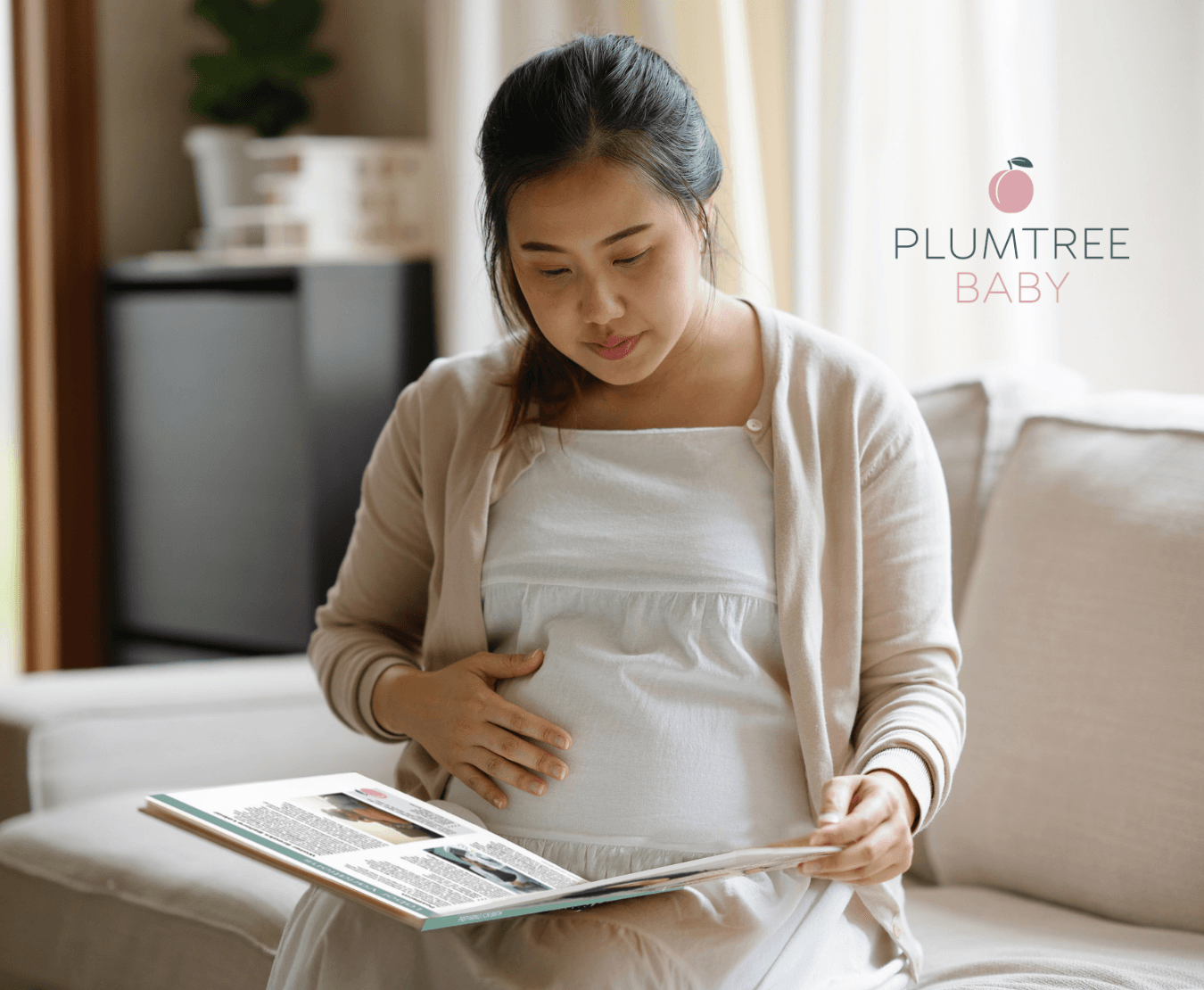 Pregnant woman reading Preparing for Birth guidebook
Alternatively, typing notes or marking up a digital book requires minimal cognitive effort, and can be considered a more passive method of learning despite its speed and convenience.
A 2024 meta-analysis found that students who read printed materials scored higher on comprehension tests than those who read the same material in a digital format. There are three main theories as to why this happens:
- Screens encourage multitasking, which interrupts focus.
- The physical cues provided by books, like turning pages, help with information recall.
- Reading on a screen makes readers more likely to skim the material instead of reading carefully.
A printed resource can still offer an interactive experience. Clients can underline an important point, circle a question, write in the margins, or flag a page they want to discuss with their partner or care provider. A book or handout can sit on a nightstand, travel to an appointment, or become part of a conversation as parents prepare for their baby's arrival.
Offering a printed resource during perinatal education classes can also enhance that experience. Instead of simply listening to an educator or watching a video, clients can follow along, answer questions, make notes, and refer back to information during discussions.
Considering health literacy
It's easy to assume that because most people use smartphones every day, digital health information is automatically accessible.
But digital literacy and health literacy aren't the same thing.
Clients may be comfortable sending texts, using social media, or navigating apps while still finding health information difficult to understand or evaluate. Some may struggle with evaluating the source providing the information and can be lead astray by unreliable advice.
Print materials can offer a trustworthy access point for clients who find digital information difficult to navigate. They can also reduce the number of steps required to find and review important information.
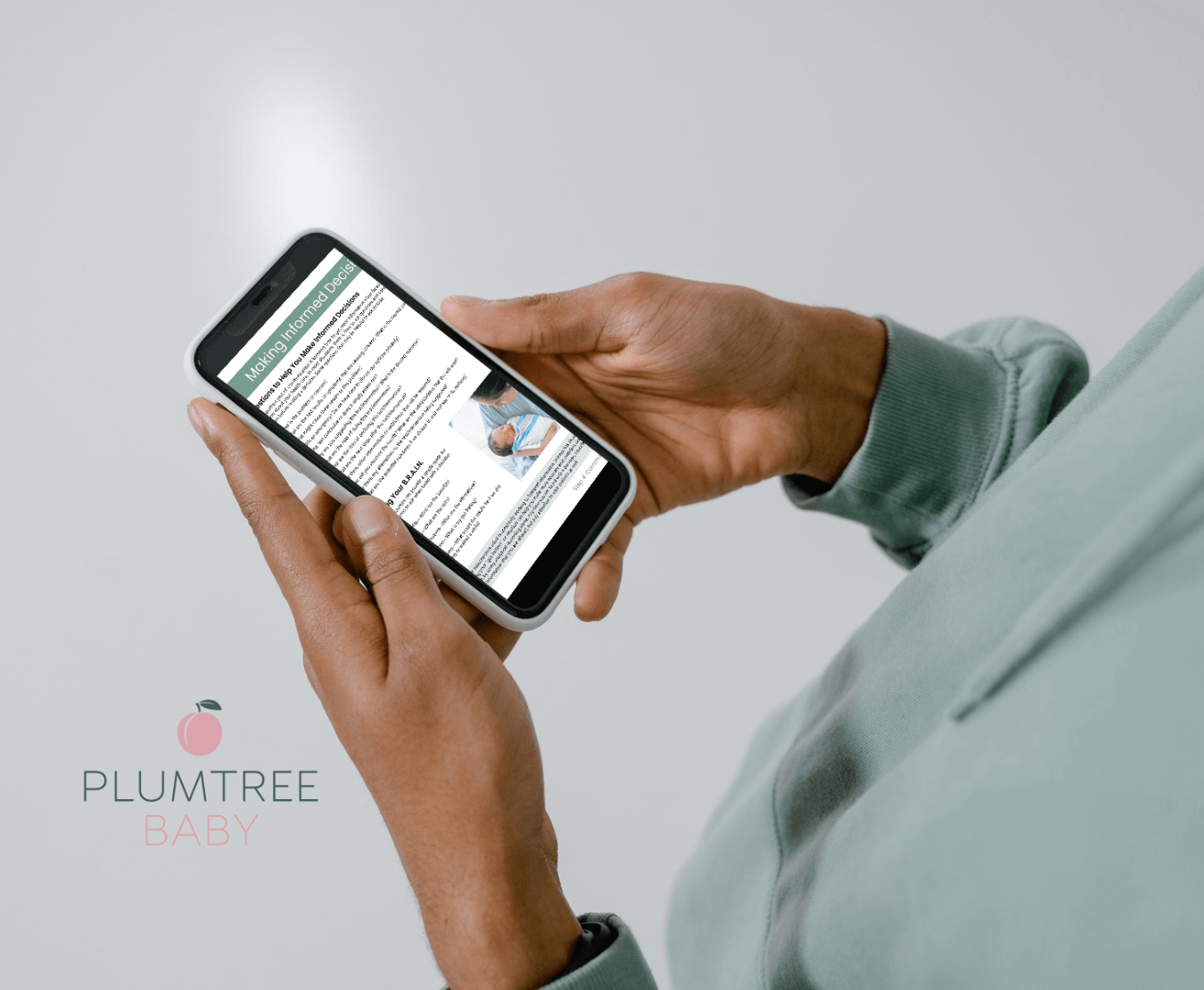 Woman reading booklet on her smartphone
Don't forget screen fatigue
Today's expectant parents already spend a significant amount of time looking at screens for work, communication, entertainment, appointments, and health information.
Adding another digital document to that list may not always be the most welcome option.
Digital and mental fatigue are real considerations when people spend prolonged periods interacting with screens. A printed resource gives clients a chance to step away from the screen while continuing to learn. For a perinatal educator, that can be especially valuable when thinking of ways to establish yourself as a trustworthy resource and engage clients during class.
Let your clients help you decide
Ultimately, the best educational resources are the ones your clients will actually use. If you're unsure whether your audience prefers digital or print resources, ask them or offer them both options. Periodically evaluate how clients access information, what they find easiest to understand, and which materials they refer back to after class.
Perinatal education is about meeting families where they are. That includes considering not only what information you provide, but how you provide it, so that clients can understand and rely on it when they need it most.
Bulk eBook Access Codes
$7.00
Resources for virtual classes Deliver professional class materials—without printing, shipping, or inventory eBooks make it easy to provide every client with high-quality educational content, whether you are teaching virtual classes,… read more

Preparing for Birth Book
$8.75
Best-Selling guide to labor, birth, and early postpartum Empower families with knowledge and confidence as they prepare for one of life’s most transformative experiences. Preparing for Birth is your comprehensive,… read more

Disclaimer: All content provided is for educational and informational purposes only, and should not be construed as medical advice. These statements are not intended to diagnose, treat, cure or prevent any disease and no alterations in lifestyle should be taken solely on the contents of this website. Consult your physician on any topics regarding your health and pregnancy. Plumtree Baby, LLC does not assume any liability for the information contained herein, be it direct, indirect, consequential, special, exemplary or other damages.
Copyright 2021-2026 © All Rights Reserved
Plumtree Baby, LLC