
Table of Contents
Can Holidays Influence the Onset of Labor?
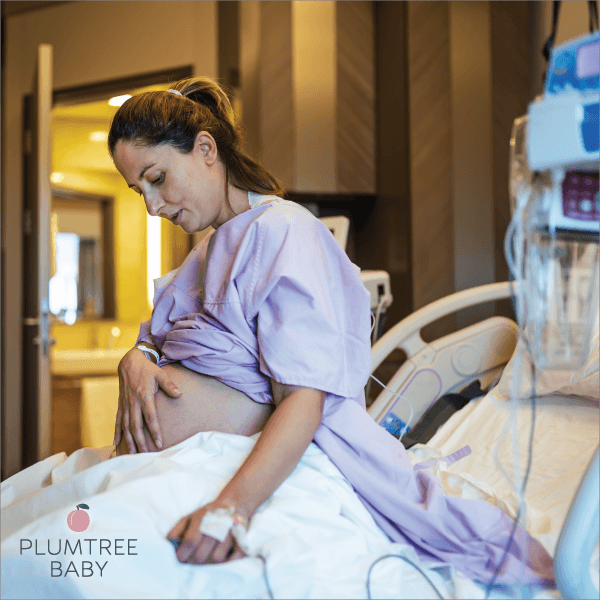
Information from a recent article brings to light a new study which suggests that fewer babies are born on Halloween, but more babies are born on Valentine’s Day. These were the only two holidays that were examined, however, the research is suggesting that mothers may have something to do with the onset of labor and that there are feelings or thoughts associated with Halloween which might prevent women from going into spontaneous labor on that date. (Planned c-sections also tend not to be scheduled on this spooky holiday either.) On Valentine’s Day, however, more spontaneous births are reported to take place possibly, as the study suggests, because of the mother’s positive, romantic and loving feelings that are associated with this date.
Research on Halloween and Valentine's Day Births
As stated in the study, “All types of births decreased on Halloween as compared with the surrounding two weeks. The chance of giving birth on Halloween went down by a total of 11.3 percent, with 16.9 percent fewer C-sections, 18.7 percent fewer induced births and 5.3 percent fewer spontaneous births.
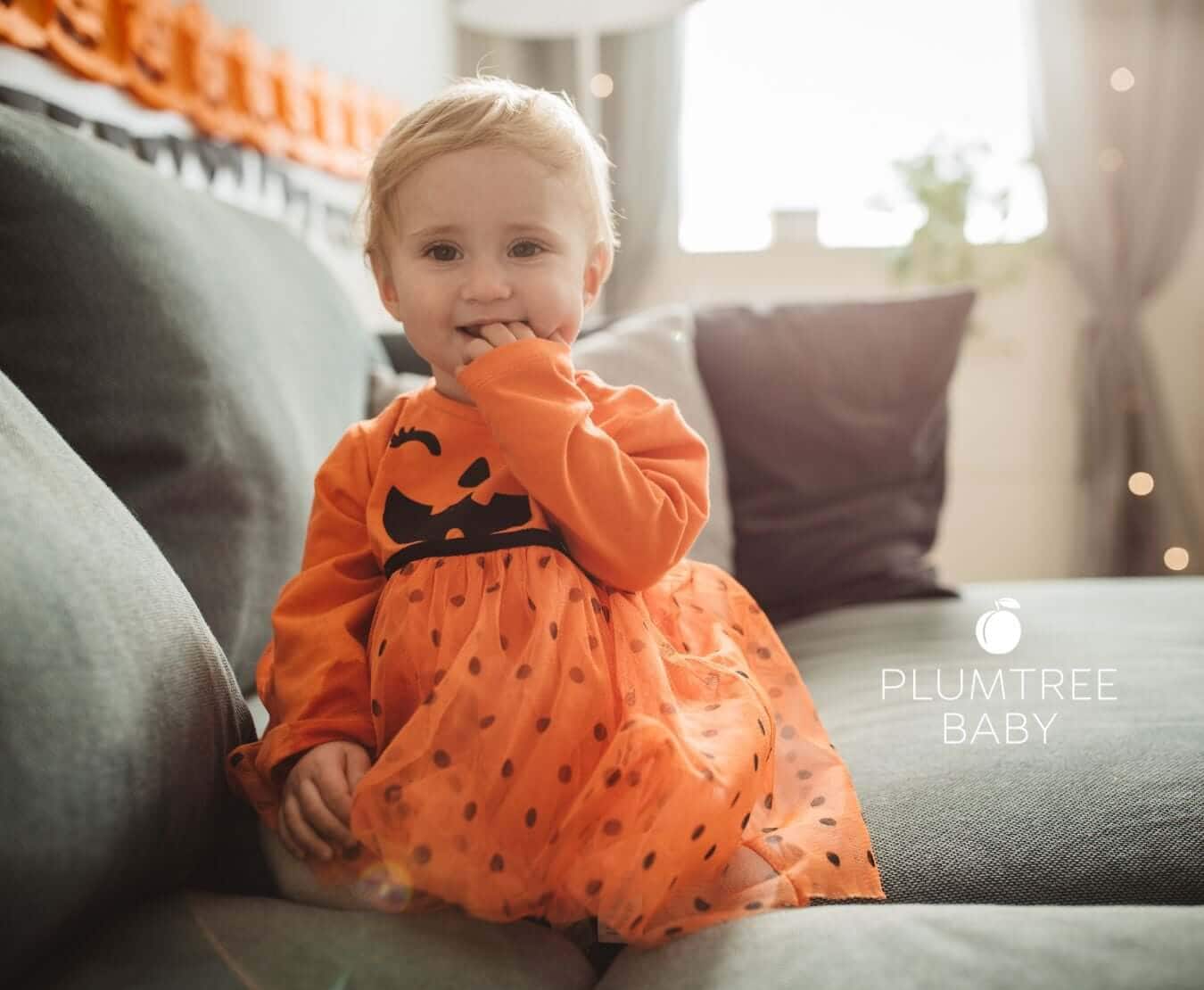 One year old girl in a Halloween dress.
On Valentine's Day, the likelihood of giving birth went up by 5 percent compared with the weeks before and after the holiday. Births from spontaneous labor spiked 3.6 percent, while induced births went up 3.4 percent. Cesarean births were 12.1 percent more likely on Valentine's, which might suggest women deliberately schedule C-sections to have Valentine's Day babies.”
How a Mother's Emotions May Affect the Onset of Labor
This study brings up some interesting topics about the mentality of an expectant mother and how her expectations can impact the onset of labor. Cultural practices and superstitions could possibly feed into the mothers feelings about her labor, leading her to feel less relaxed, comfortable, or confident about going into labor on certain dates.
Why Mental Preparedness Matters During Labor and Birth
While the anecdotal notes about birth occurring on either of these holidays is interesting, it does bring up larger questions about the part the mother plays in labor and how her emotions and expectations might influence things. We address these topics in our booklets and encourage all educators, doulas and care providers to explore this topic with their clients. The mental space of the mother, along with her expectations and fears can have a significant impact on her birthing experience, up to and including when labor begins.
What Do You Think About the Timing of Childbirth?
What do you think?
Have you noticed any trends with regards to the timing of childbirth in your clients? Are there times of the year, or even a time of day, which you’ve noticed a woman is more or less likely to go into labor? How do you approach the topic of mental preparedness and relaxation with your clients, in terms of when labor begins?
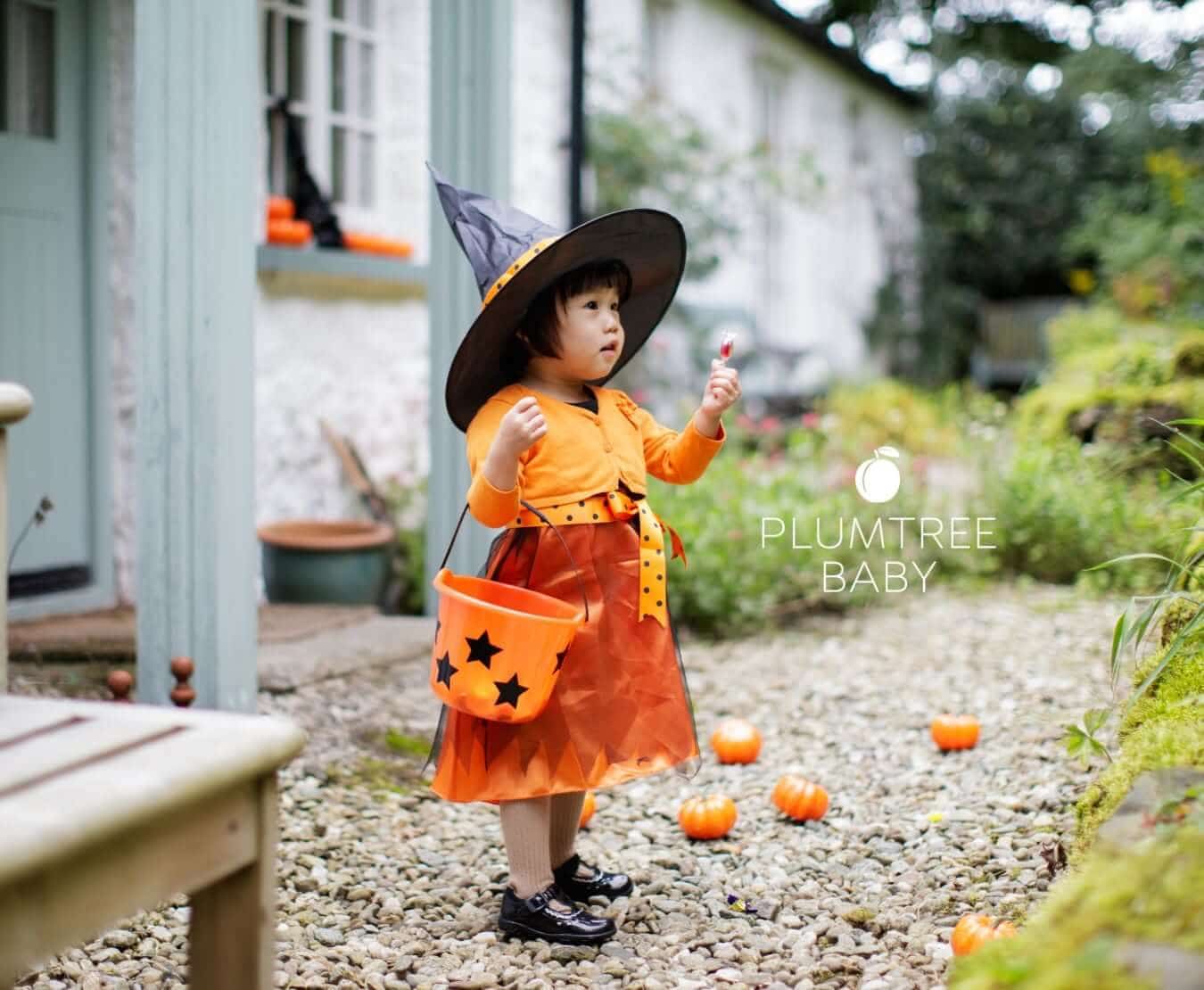 Girl dressed as a witch while trick-or-treating.
Disclaimer: All content provided is for educational and informational purposes only, and should not be construed as medical advice. These statements are not intended to diagnose, treat, cure or prevent any disease and no alterations in lifestyle should be taken solely on the contents of this website. Consult your physician on any topics regarding your health and pregnancy. Plumtree Baby, LLC does not assume any liability for the information contained herein, be it direct, indirect, consequential, special, exemplary or other damages.
Copyright 2011 © All Rights Reserved
Plumtree Baby, LLC